
Car travel & protection
Define panel dimensions, seams, webbing and attachment positions. Any claim about load, water resistance or protective performance needs an agreed method and supporting evidence.
SPECIFICATIONS, CHECKPOINTS & PROJECT EVIDENCE
Plan product checks against the approved sample and agreed specifications. Define the testing and documentation support needed for your intended sales market, with responsibilities confirmed for each project.
DEFINE THE QUALITY PLAN WITH THE ORDER
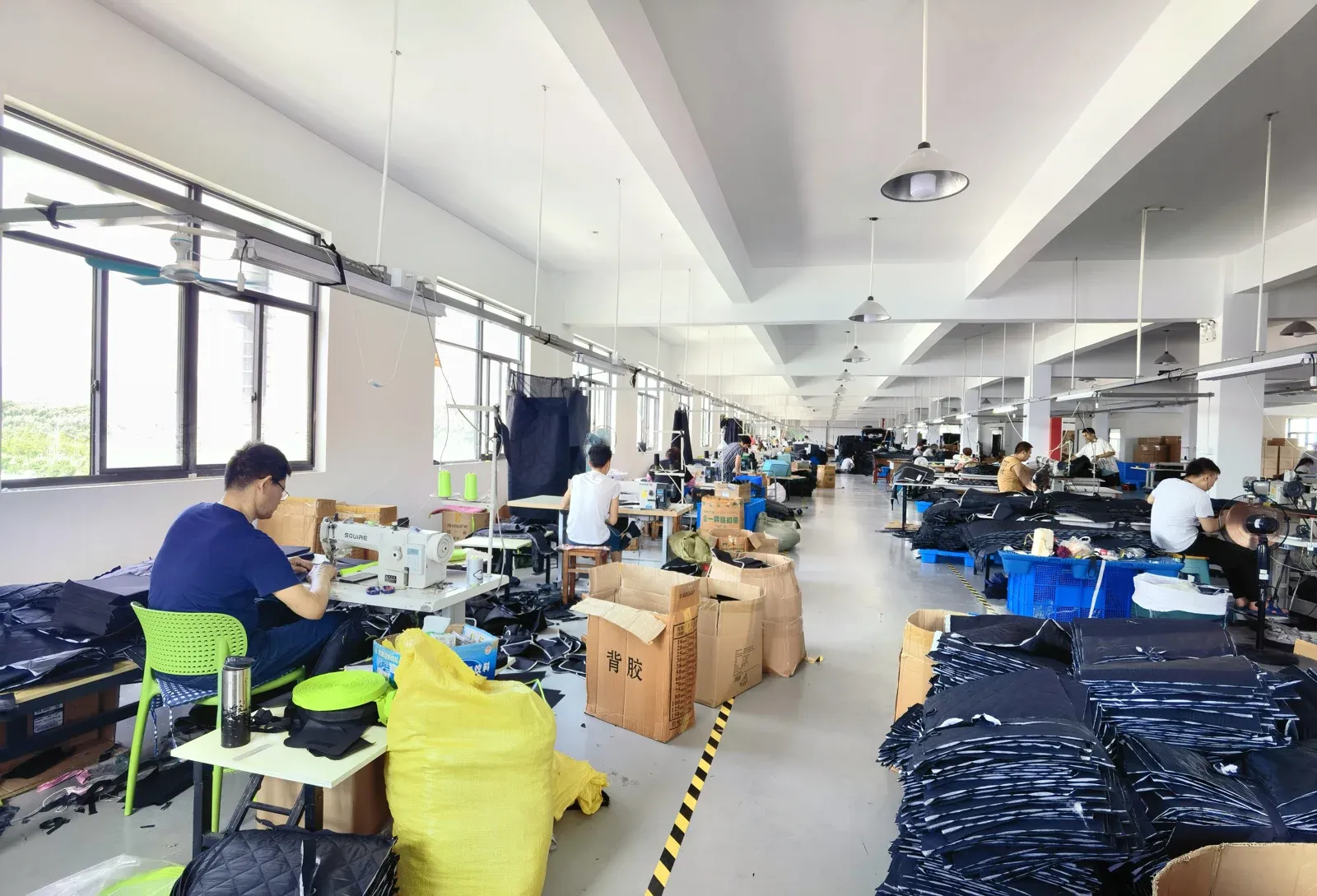
Manufacturing resources in Shengzhou and Beilun, Zhejiang, support our textile and sewn-product projects. We work with the relevant production teams to define product requirements, communicate approved specifications and arrange quality checks and documentation within the agreed project scope.
The approved sample provides a reference for appearance and construction. Written requirements identify dimensions, components, packing details and acceptance criteria that cannot be left to visual comparison alone.
Confirm testing and documentation requirements during development, before material choices and sample approval are finalized. Inspection methods, sampling, responsibilities and records are agreed for the product and order.
Connect quality planning to developmentFIVE PROJECT CHECKPOINTS
Use these checkpoints to define the checks and records to carry out for an order. Specific methods and evidence depend on the product and agreed scope.
Define the material and component references to check: fabric, mesh, webbing, support panels, hardware, cardboard or wood-based parts. Agree which appearance, dimensional or material documents are needed.
Identify the approved sample and current specification version. Record dimensions, components, assembly, branding and packing details. Changes should be agreed and communicated before use in production.
Select checks for the product and production stage, such as seam finishing, attachment positions, assembly or dimensions. Confirm who carries out the checks, when they occur and how findings are recorded.
Agree the inspection scope, sampling basis and acceptance criteria before the order is ready. Include the relevant workmanship, quantity, labeling and packing points; define how any nonconformity is resolved.
Identify required tests and documents during early development, based on the product, intended use and target market. Confirm whether relevant evidence is available or external testing must be arranged, including scope, responsibility, cost and timing.
DIFFERENT PRODUCTS, DIFFERENT QUESTIONS
Start with intended use and target market. A check on appearance or assembly does not establish a load rating, a safety claim or market compliance.
Define panel dimensions, seams, webbing and attachment positions. Any claim about load, water resistance or protective performance needs an agreed method and supporting evidence.
Specify mesh, zippers, base support and handle connections. Confirm relevant assembly and component checks against the sample and intended carrying format.
Agree cardboard or board specification, edge finishing, joints and assembly. Wall mounting, stability and load requirements need product-specific assessment and instructions.
TESTING & DOCUMENTATION
Provide the intended sales countries, product use, materials and any retailer protocol. Confirm the applicable assessment and documentation scope with the buyer and appropriate specialists before testing is arranged.
Check that available reports match the product, material, manufacturing site and report scope. Factory-assessment documents are discussed for the relevant site, subject to availability and disclosure approval.
For a requested third-party inspection or test, confirm the provider, method, sample selection, timing, cost and responsibility. Reports should be assessed for the specific product, manufacturing site and intended market, within their documented scope.
INFORMATION TO AGREE BEFORE PRODUCTION
Identify the approved sample, specification version, critical dimensions and change-approval contact.
Identify the destination market, relevant product or material documents, inspection scope and responsibility for external testing.
Provide the retailer protocol, label and instruction languages, carton quantities and any document deadline.
START WITH YOUR PRODUCT REQUIREMENTS
Share your product idea, target market and sourcing requirements. Start with a clear brief.
Start a Project sales@nbdoublefly.com