
Materials & components
Discuss fabrics, mesh, support panels, webbing, hardware, cardboard or wood-based components for the chosen product. Material availability and supplier minimums affect the options.
FROM A PRODUCT BRIEF TO AN APPROVED SPECIFICATION
For established pet brands and product development teams: define materials, dimensions, construction and retail packaging, assess technical feasibility and resolve the sample before confirming bulk-production requirements.
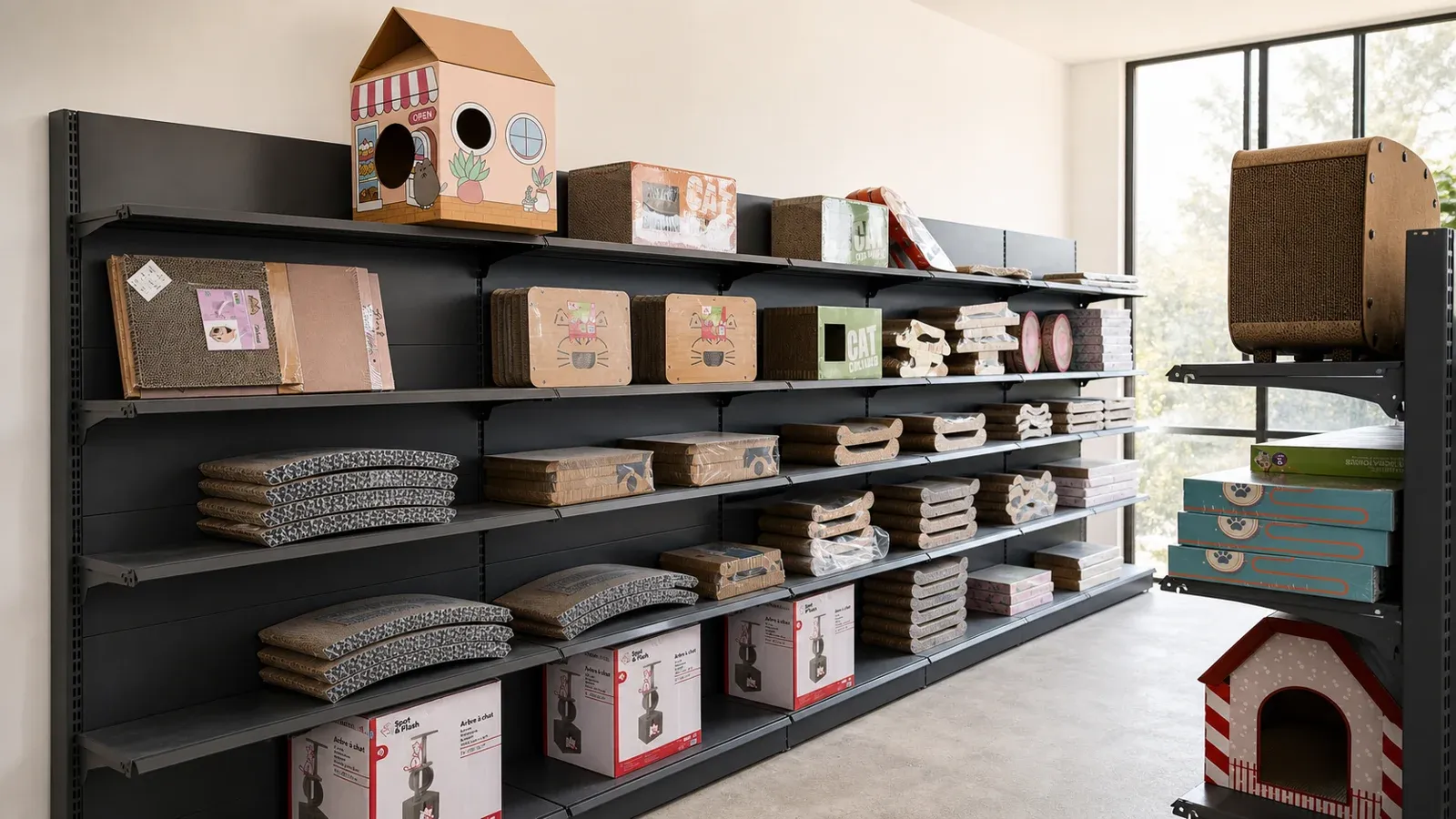
START WITH THE BUYING REQUIREMENTS
Manufacturing resources in Shengzhou and Beilun, Zhejiang, support our textile and sewn-product projects. This involvement supports product development, material and construction review, sampling, production coordination and quality control. Packaging and export preparation are planned alongside the production route for each project, including any specialist processes.
For an OEM project, bring your specification or reference sample. For ODM development, start with a product format and the changes you want to make. Feasibility, development scope and commercial terms are confirmed for the individual project.
DEVELOPMENT DECISION POINTS
Use these decision points to define responsibilities and approvals. The development plan, sample charges, revision scope and timing are agreed for each project.
Provide the intended use, target market, reference format, dimensions, quantity and packaging needs. Identify construction questions, performance requirements and documents needed for technical review.
Assess the proposed construction with the manufacturing teams and any specialist suppliers required for the product. Confirm material options, tooling needs and cost drivers before defining the quotation scope.
Develop the sample against the agreed brief. Record and resolve requested revisions to appearance, fit, materials and assembly before approval.
Approve the sample and freeze the written production specification: dimensions, materials, components, branding and packaging. Resolve open points before production release.
Work to the approved sample and frozen specification. Agree the in-process checks, inspection responsibilities and records for the order, and address deviations before release.
Review the agreed inspection findings, quantities, labels, packing and shipment documents. Resolve outstanding issues and confirm release before arranging delivery.
CUSTOMIZATION & COST DRIVERS
Keep the specification practical: separate required changes from optional variations, then confirm them against materials, construction and order quantity.
Discuss fabrics, mesh, support panels, webbing, hardware, cardboard or wood-based components for the chosen product. Material availability and supplier minimums affect the options.
Define panel layout, openings, support, attachment positions and assembly. A new structure may need additional feasibility work, sampling or tooling.
Specify color references and surface or covering choices. Color matching, finish and batch requirements need sample confirmation.
Discuss logo placement, labels and product graphics. Provide artwork and confirm the application method on the selected material.
Set the packing format, protective materials, instructions and outer-carton requirements. Artwork, languages and packing quantities form part of the brief.
Confirm quantity by product and variation, agreed materials, packaging, sample scope and delivery terms. Changes to these inputs may require a revised quotation.
MOQ & COMMERCIAL REVIEW
Custom manufacturing programs typically begin around 500–1,000 units, depending on product, materials and packaging. Final terms are confirmed after project review.
This range is not a blanket minimum for every product, color or custom construction. Quantity needs to be assessed by product and variation, including material-supplier minimums, branding and packaging.
New tooling, a new structure, special materials or multiple colorways may change the minimum quantity and development cost. Sample quantities are a separate discussion; price, sample fees and lead time require a project quotation.
Define quality requirementsBEFORE YOU REQUEST A QUOTATION
Send the product format, target market, reference dimensions and order plan. Identify the requirements that are essential for launch.
Agree material choices, sample revisions, packing and documentation. Keep assumptions visible so that quotations can be compared.
Confirm the approved sample, production specification, quality checkpoints and packing requirements before releasing the order.
START WITH YOUR PRODUCT REQUIREMENTS
Share your product idea, target market and sourcing requirements. Start with a clear brief.
Start a Project sales@nbdoublefly.com