
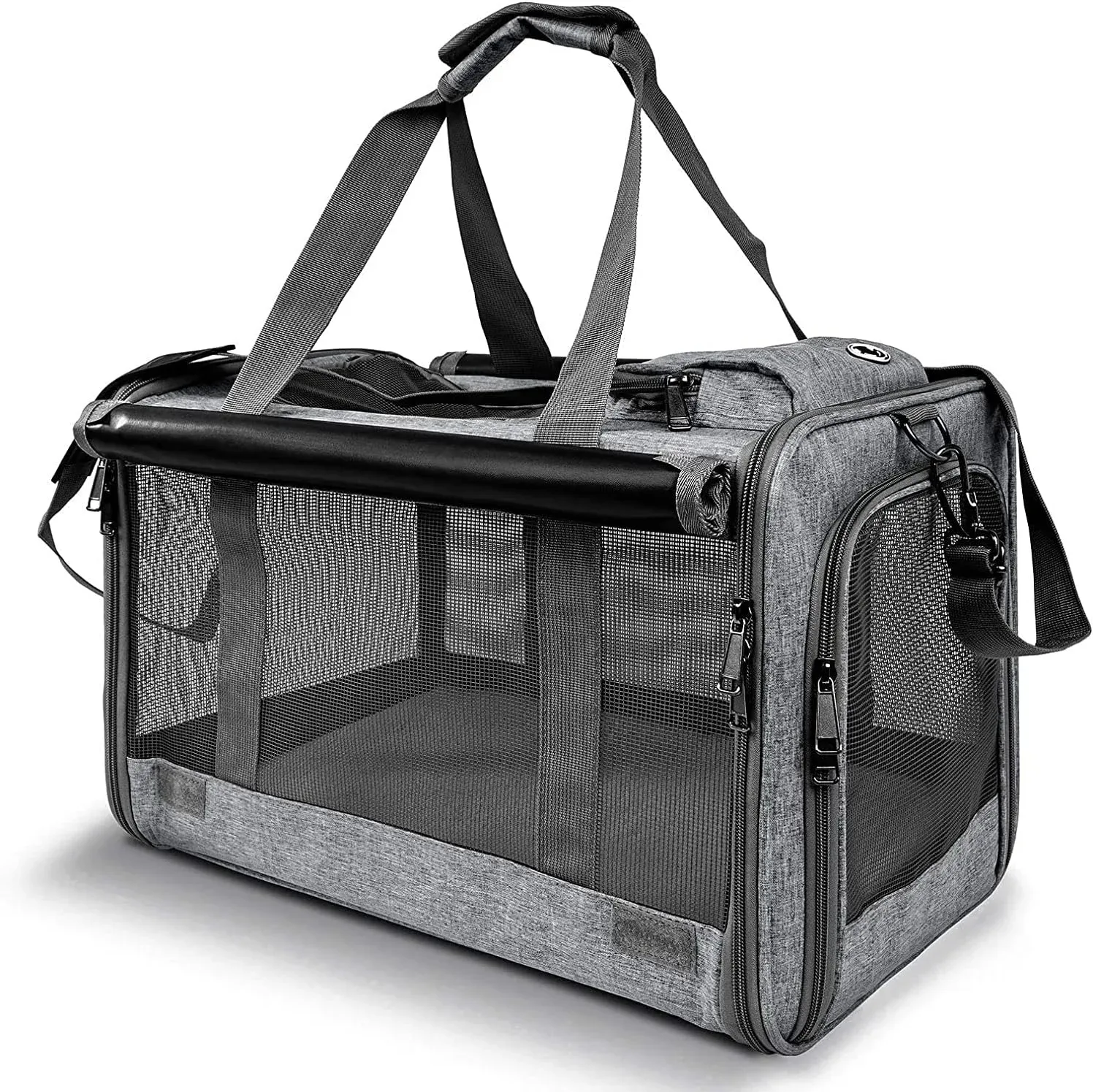
Soft-sided pet carriers
Define mesh coverage, access openings, zipper components, base support and handle connections. For a private label pet carrier, include logo placement, labels and packing in the sample brief.
PET TRAVEL PRODUCTS / B2B MANUFACTURING
Doublefly Industry develops pet carriers and travel bags for established brands, importers and retail sourcing teams. Bring a specification or reference format for a pet carrier OEM project, or define the structural changes needed for an ODM development brief.
FROM A REFERENCE FORMAT TO YOUR SPECIFICATION
A custom pet carrier brings together textile panels, mesh, openings, base support and carrying connections. The dimensions and assembly must work as a complete product. Doublefly uses sample development and written specifications to resolve these choices before agreeing the bulk-production requirements.
Shengzhou and Beilun manufacturing resources support sewn-product projects in Zhejiang. The manufacturing route and any specialist components are confirmed for each format. Pet Travel Products are the primary line; Pet Toys & Cat Furniture remain a separate secondary range rather than part of a general pet-goods marketplace.
Manufacturing & packaging resources →REPRESENTATIVE PRODUCT FORMATS
Define mesh coverage, access openings, zipper components, base support and handle connections. For a private label pet carrier, include logo placement, labels and packing in the sample brief.
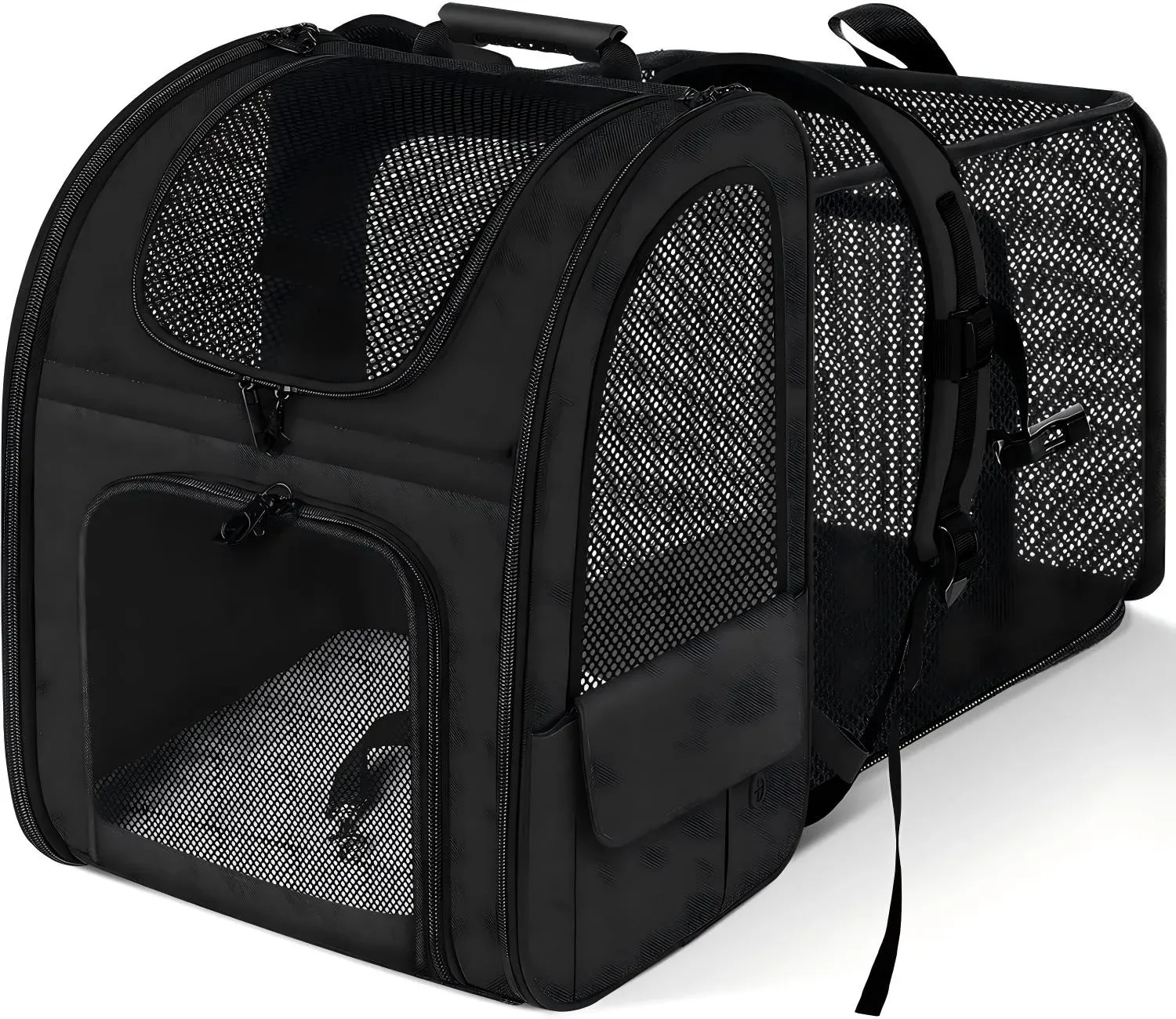
A pet backpack manufacturing brief should address the expanded and carrying dimensions, support structure, mesh openings and shoulder-strap construction. Confirm how the selected configuration is assembled and packed.
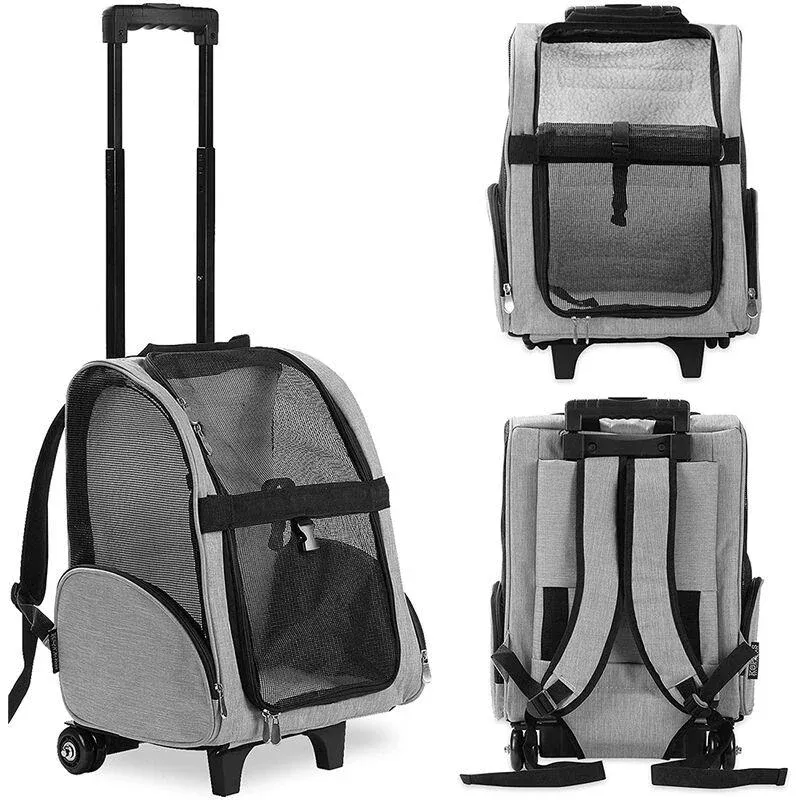
Review frame integration, wheel assemblies, handles and convertible carrying points together. Component selection and assembly feasibility influence the sample scope, quotation and packing volume.
DECISIONS BEFORE SAMPLE APPROVAL
Bring to the brief: Reference dimensions, target animal/use, carrying format, access and destination market.
Confirm with the sample: Approve internal and external dimensions against the actual sample. Airline or transport-provider acceptance is route- and carrier-specific; no universal airline-approval claim is made for these formats.
Bring to the brief: Fabric and mesh references, opening layout, zipper types and desired finish.
Confirm with the sample: Agree component specifications and seam/edge finishing before production. Appearance alone does not establish ventilation performance, tear strength or durability.
Bring to the brief: Base support, panel layout, handles, shoulder straps and any frame components.
Confirm with the sample: Review support and attachment construction during sampling. Any load or performance claim needs an agreed test method and relevant evidence rather than an inferred rating from a photograph.
Bring to the brief: Logo artwork, label placement, color references, quantities by SKU and retail packaging.
Confirm with the sample: Confirm artwork application on the selected material, sample changes and packing references. A new structure, specialist components or multiple variations may change minimum quantities and development cost.
Use the approved sample and specification to plan checks on dimensions, mesh and zipper assembly, seam finishing, base support and carrying connections. Identify documentation and external testing requirements early. Product views illustrate construction topics; they do not show completed load or compliance tests.
Plan quality & documentation →Agree protective packing, product labels, instructions, units per carton and outer-carton marks for the intended retail range. Jiangbei packaging and warehousing support packing and export preparation. Repeat orders should reference the approved specification and identify any material or component changes.
Plan retail & bulk supply →B2B PROJECT QUESTIONS
START WITH YOUR APPROVAL REQUIREMENTS
Share your product format, target market, reference dimensions, quantities if known and packaging requirements. Feasibility and commercial terms are confirmed for the project.
Start a Project ↗